
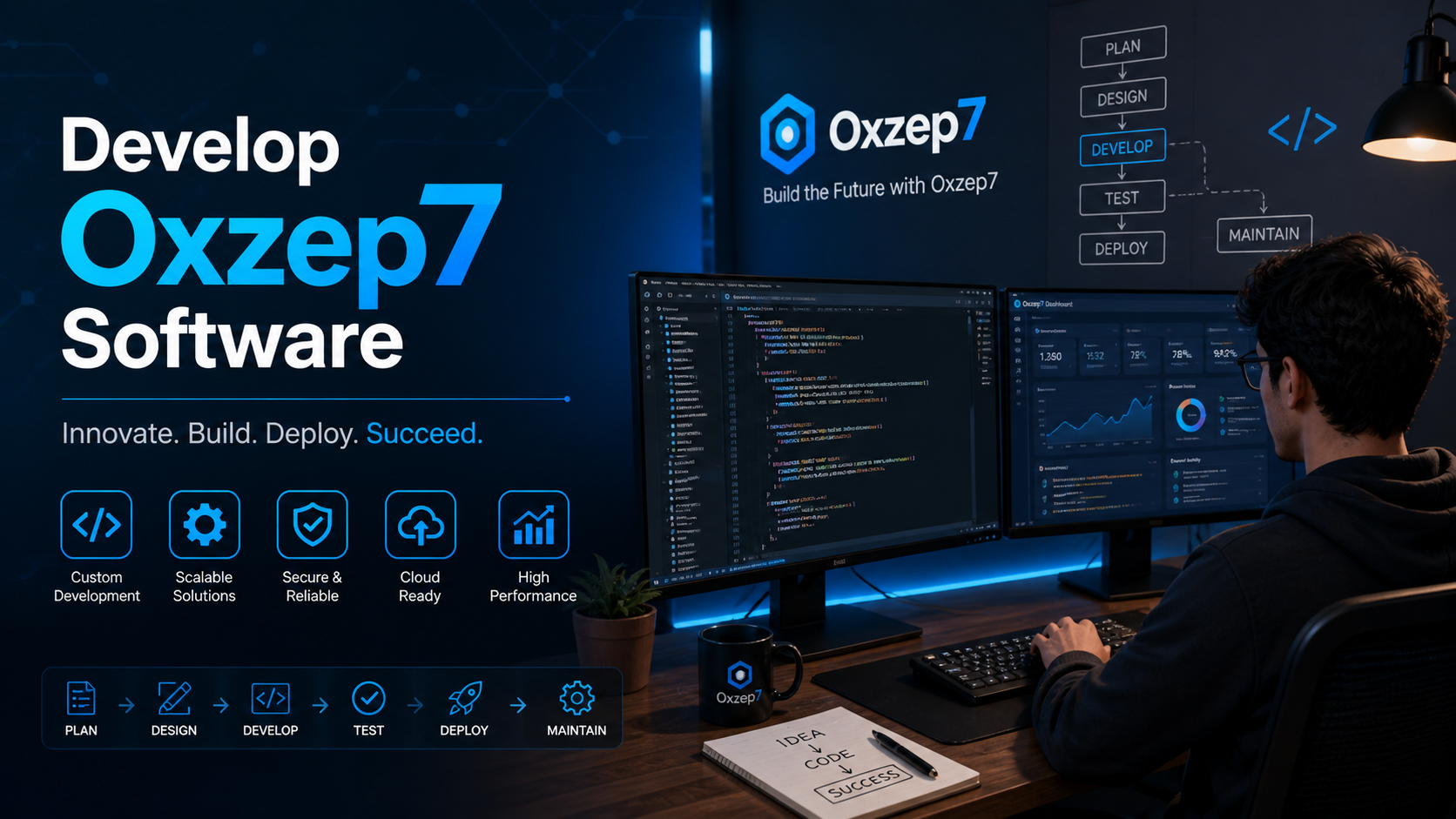
Introduction to Oxzep7 Software Development
Developing software can be a challenging yet rewarding task. When it comes to developing Oxzep7 software, it is crucial to understand both the basics and advanced concepts of the programming language or framework you are working with. Oxzep7 software development involves a series of stages, from ideation and planning to the actual coding and debugging. This guide will break down everything you need to know, whether you’re a beginner just starting or an expert seeking to improve your skills.
What is Oxzep7 Software?
Before diving into the development process, it’s essential to understand what Oxzep7 software is. Oxzep7 is a sophisticated toolset designed for a wide variety of applications, ranging from enterprise-level systems to personal applications. It may include features like database management, user interfaces, and real-time data processing capabilities. Understanding the scope and potential of Oxzep7 will give you a clearer idea of the development process.
Setting Up the Development Environment for Oxzep7 Software
The first step in developing Oxzep7 software is setting up a development environment. The environment will consist of various tools, libraries, and frameworks that support the programming languages used in Oxzep7. Here’s a step-by-step guide to set up the environment:
- Choosing the Right IDE (Integrated Development Environment)
For Oxzep7 development, an IDE like Visual Studio Code, Eclipse, or PyCharm might be recommended depending on the language. Each IDE comes with features like syntax highlighting, debugging tools, and extension support, which will help you streamline the development process. - Installing Dependencies and Libraries
Oxzep7 might require several libraries for enhanced functionality, such as networking libraries, UI libraries, or database management systems. Understanding which dependencies are needed will prevent unnecessary issues during the coding phase. - Configuring Version Control with Git
Using Git for version control is a best practice in software development. By committing your code changes regularly, you ensure that you can revert to a stable version in case something goes wrong.
Understanding the Oxzep7 Framework
The Oxzep7 framework is built with scalability and performance in mind. If you’re new to the framework, it’s important to familiarize yourself with its core features:
- Modular Architecture: Oxzep7 follows a modular design that enables developers to work on separate components without interfering with the rest of the application.
- API Integration: The framework supports seamless integration with third-party APIs, allowing developers to extend its functionality.
- Real-Time Processing: A key feature of Oxzep7 is its ability to handle real-time data processing, which is crucial for applications requiring up-to-the-minute data.
By understanding these core elements, you’ll be in a better position to use Oxzep7 effectively.
Basic Programming Concepts for Developing Oxzep7 Software
Before diving deep into Oxzep7 development, it’s important to be familiar with certain programming concepts:
- Object-Oriented Programming (OOP): Oxzep7 software development typically involves OOP principles. Learn how to create classes, objects, inheritance, and polymorphism to build scalable, maintainable software.
- Data Structures and Algorithms: A strong understanding of data structures (such as arrays, stacks, queues, and hash tables) and algorithms will enable you to write efficient code, especially when dealing with large datasets.
- Database Integration: Many Oxzep7 applications require interaction with databases. It’s essential to understand SQL, NoSQL, and ORM frameworks to integrate databases with your software effectively.
Steps in the Oxzep7 Software Development Lifecycle
The software development lifecycle (SDLC) for Oxzep7 follows a structured approach that includes several key phases:
1. Planning and Requirements Gathering
This initial phase involves understanding the problem you aim to solve and defining the project’s requirements. You should gather information about:
- User needs
- Functional and non-functional requirements
- Technology stack to be used
2. Designing the Architecture
After gathering the requirements, the next step is to design the software architecture. This involves selecting a proper architecture pattern, such as MVC (Model-View-Controller), Microservices, or Serverless architecture, depending on the scale and complexity of your project.
3. Coding the Application
With a solid plan and architecture in place, you can start coding. During this phase, you should follow best practices for writing clean, modular, and maintainable code. It’s also important to ensure that your code adheres to security standards to prevent vulnerabilities.
4. Testing and Debugging
Testing is a crucial step in Oxzep7 software development. Implement unit tests, integration tests, and system tests to ensure that your software functions as expected. Tools like JUnit, Selenium, or Postman can be helpful for automated testing.
5. Deployment and Maintenance
Once your Oxzep7 software has passed testing, it’s time to deploy it. You can host it on cloud platforms like AWS, Azure, or Google Cloud. Post-deployment, you should continue to monitor the application and fix any bugs that might arise.
Advanced Features of Oxzep7 Software Development
As you progress from a beginner to an expert, you’ll want to explore the advanced features of Oxzep7 software development:
- Custom Modules and Extensions
Oxzep7 allows developers to create custom modules and extensions, which can be shared across projects or even with the community. Learning how to build and maintain these modules is crucial for high-level development. - Performance Optimization Techniques
Oxzep7 is designed for high-performance applications. You can fine-tune your software by focusing on performance optimization techniques like caching, lazy loading, and load balancing. - Security Best Practices
Security is a priority when developing software. Always implement best practices such as data encryption, input validation, and authentication to ensure your Oxzep7 software is secure against common vulnerabilities.
Common Challenges in Developing Oxzep7 Software
While Oxzep7 offers a range of powerful tools, developers may encounter challenges:
- Integration Issues with Legacy Systems: If you’re integrating Oxzep7 with legacy software or systems, compatibility issues may arise. Using APIs and understanding how Oxzep7 communicates with other software can mitigate these challenges.
- Debugging Complex Errors: Complex bugs can often arise during Oxzep7 software development. Debugging these requires patience and a solid understanding of the software’s flow and logic.
- Scaling Issues: As your application grows, scaling it becomes essential. Oxzep7 is built to handle large-scale applications, but developers must still focus on optimizing database queries and ensuring the software can handle increased traffic.
Conclusion
In conclusion, developing Oxzep7 software requires a blend of foundational knowledge in software development, an understanding of Oxzep7’s unique features, and the ability to tackle advanced challenges as you move forward. Whether you’re a beginner or an expert, following this guide will help you effectively navigate the Oxzep7 software development process. By setting up your development environment properly, understanding core programming concepts, and addressing challenges along the way, you will be well-equipped to develop successful Oxzep7 applications that meet the needs of users and businesses alike.